Flying Creatures
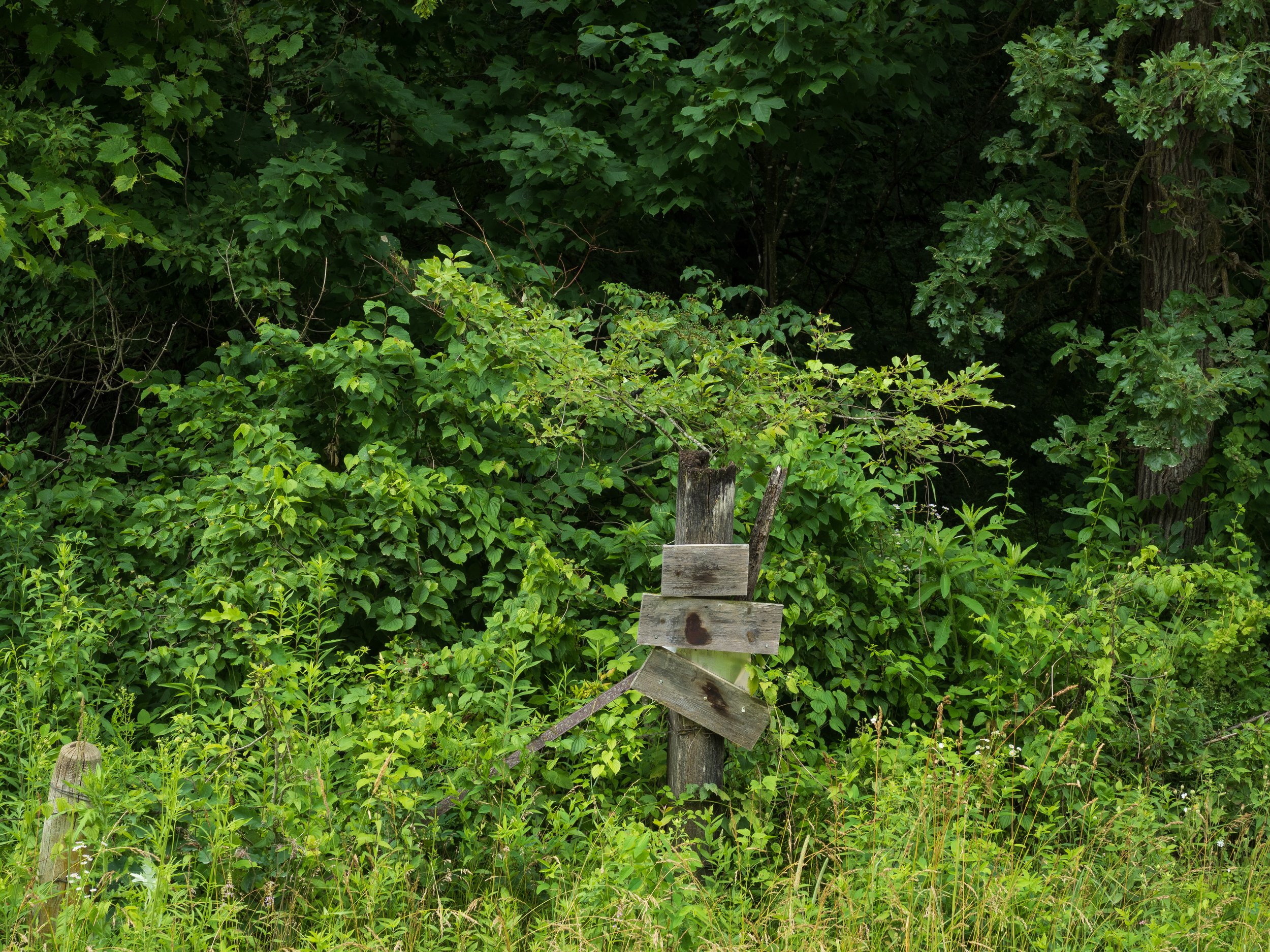
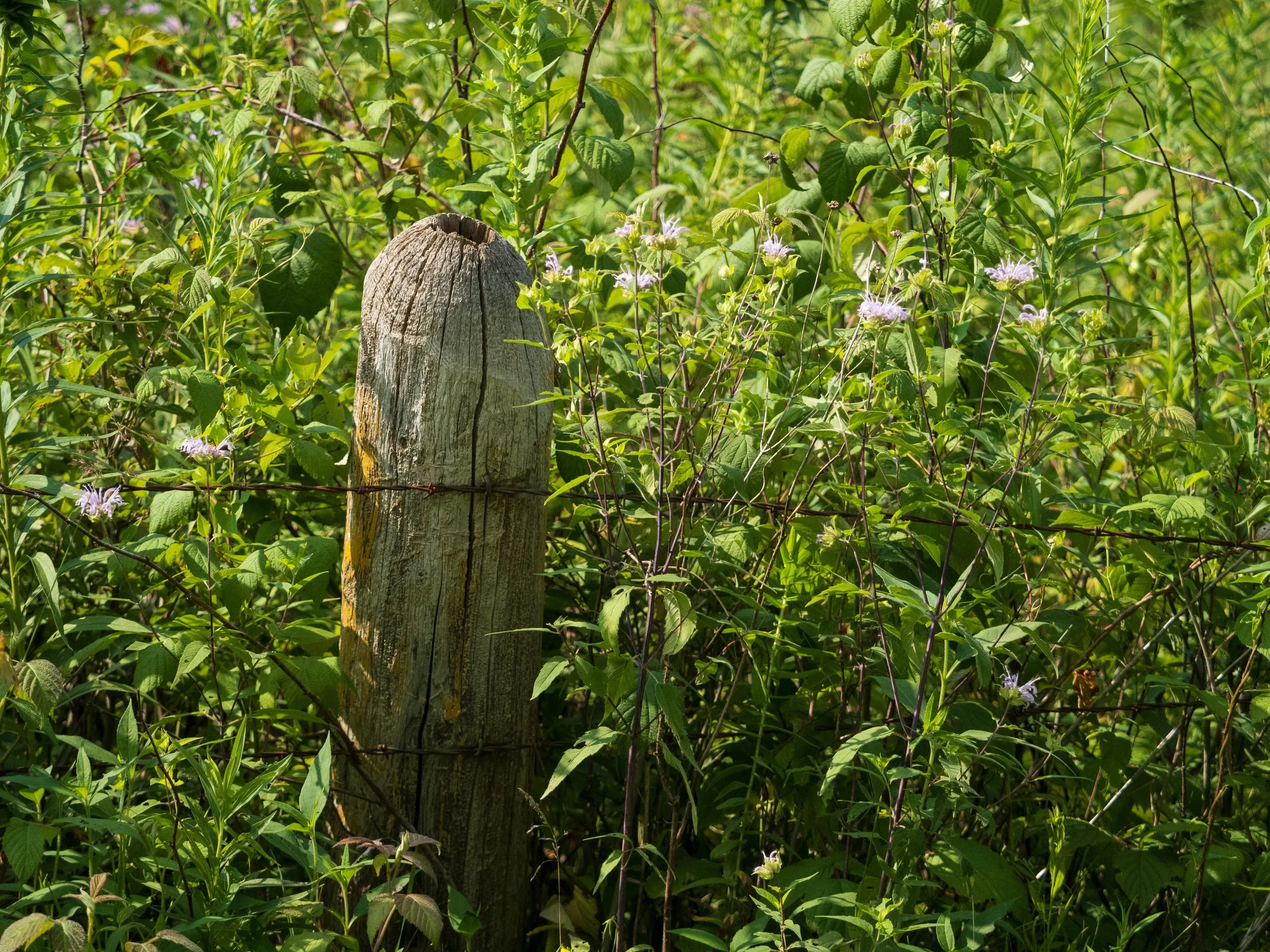
One of my favorite spots for wildflowers is an old farm field along a rural dirt road. It’s only about 150 yards by 50 yards and has been allowed to grow wild. There are vestiges of fences, the only physical evidence that it was once a farm field. The dirt road forms one of the long sides of the field. The other three sides are walls of mature, hardwood forest.
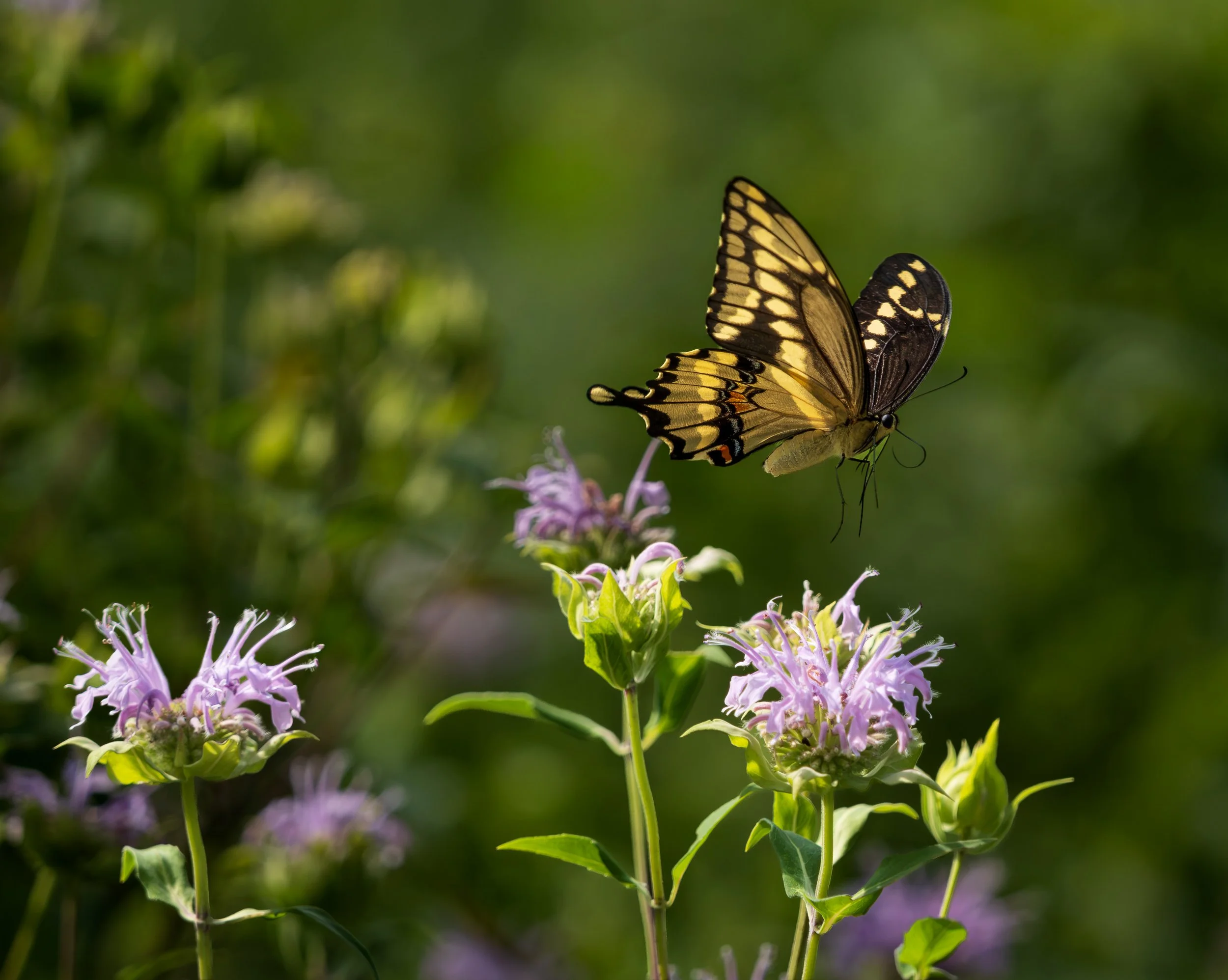
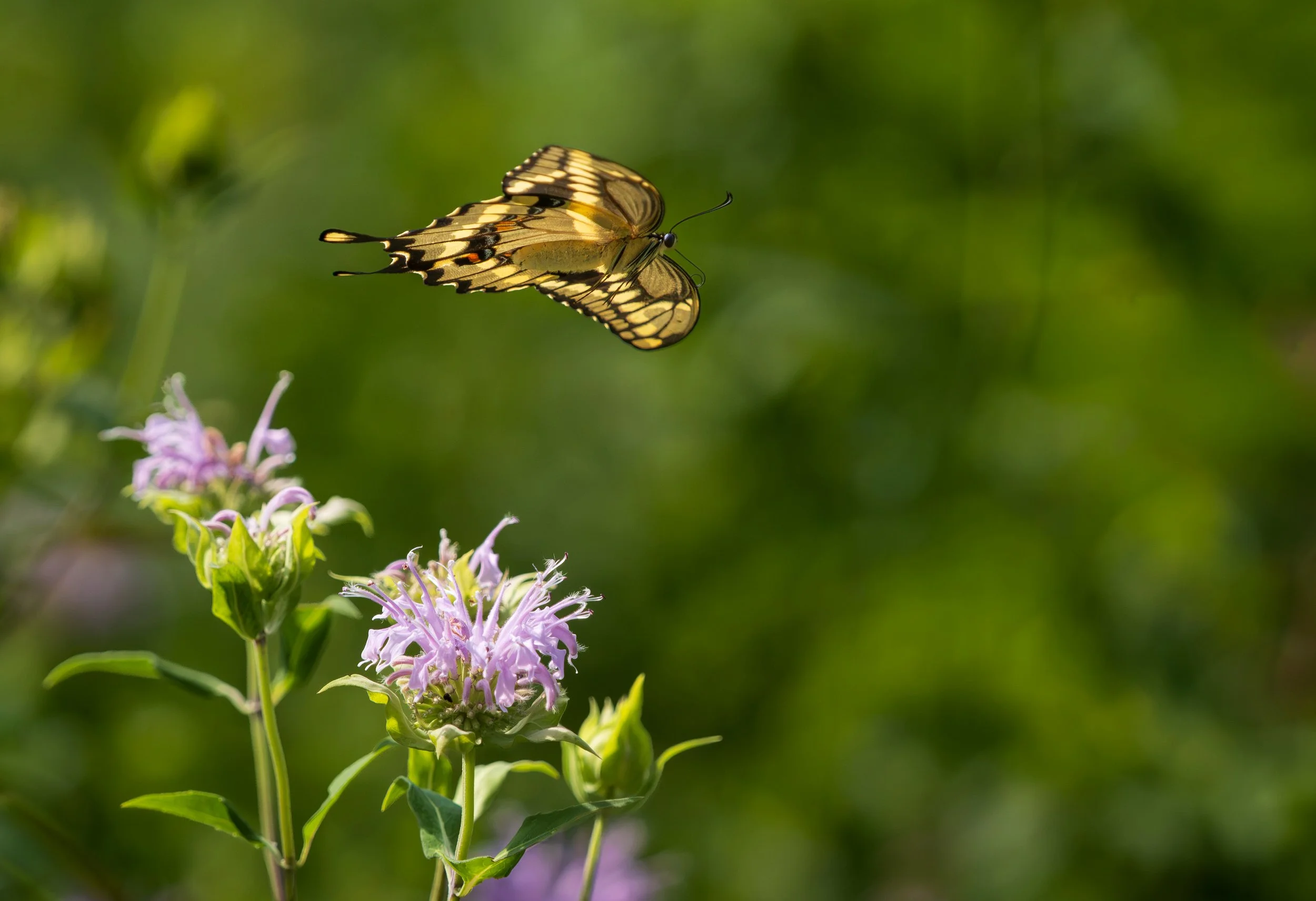
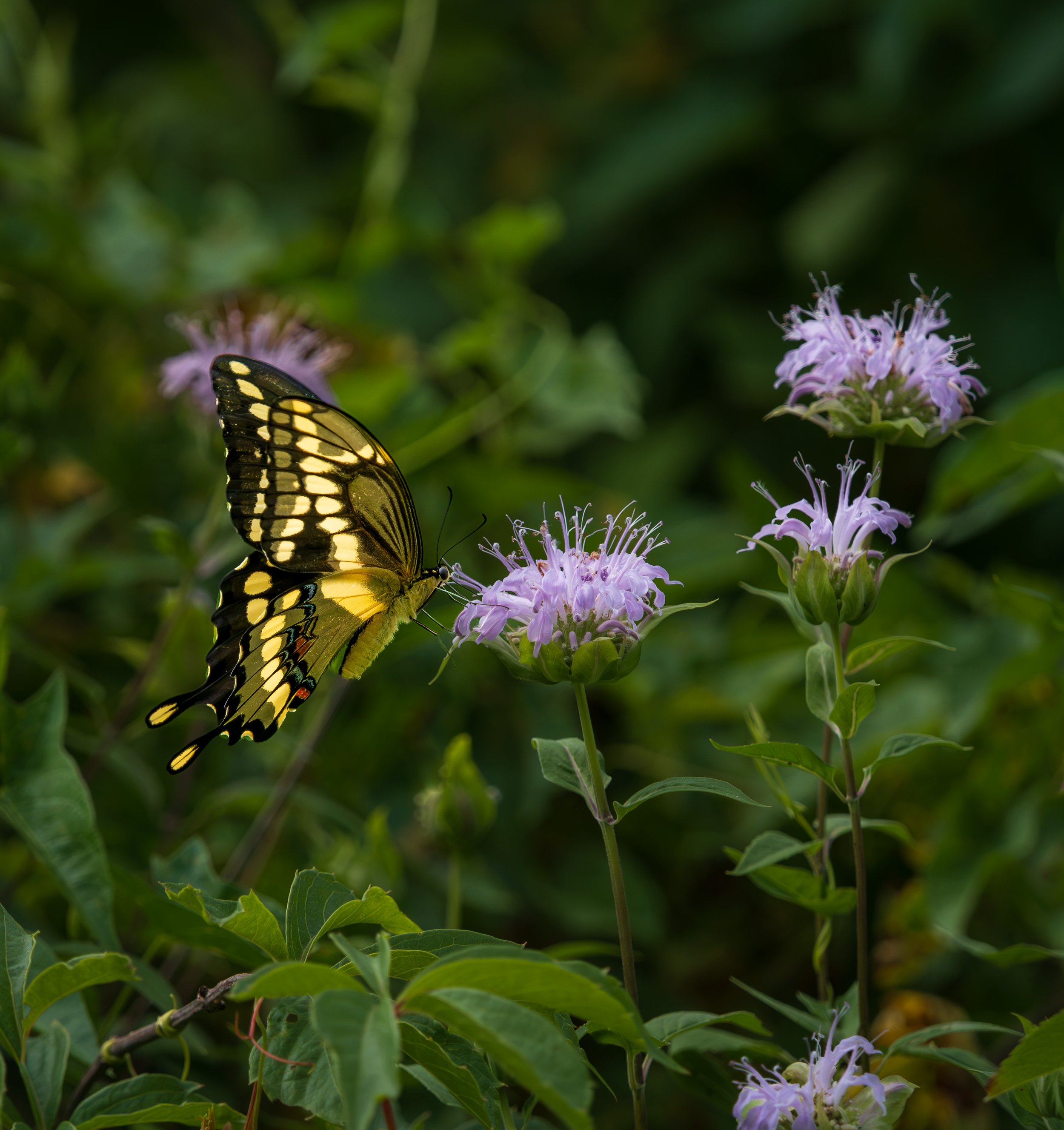
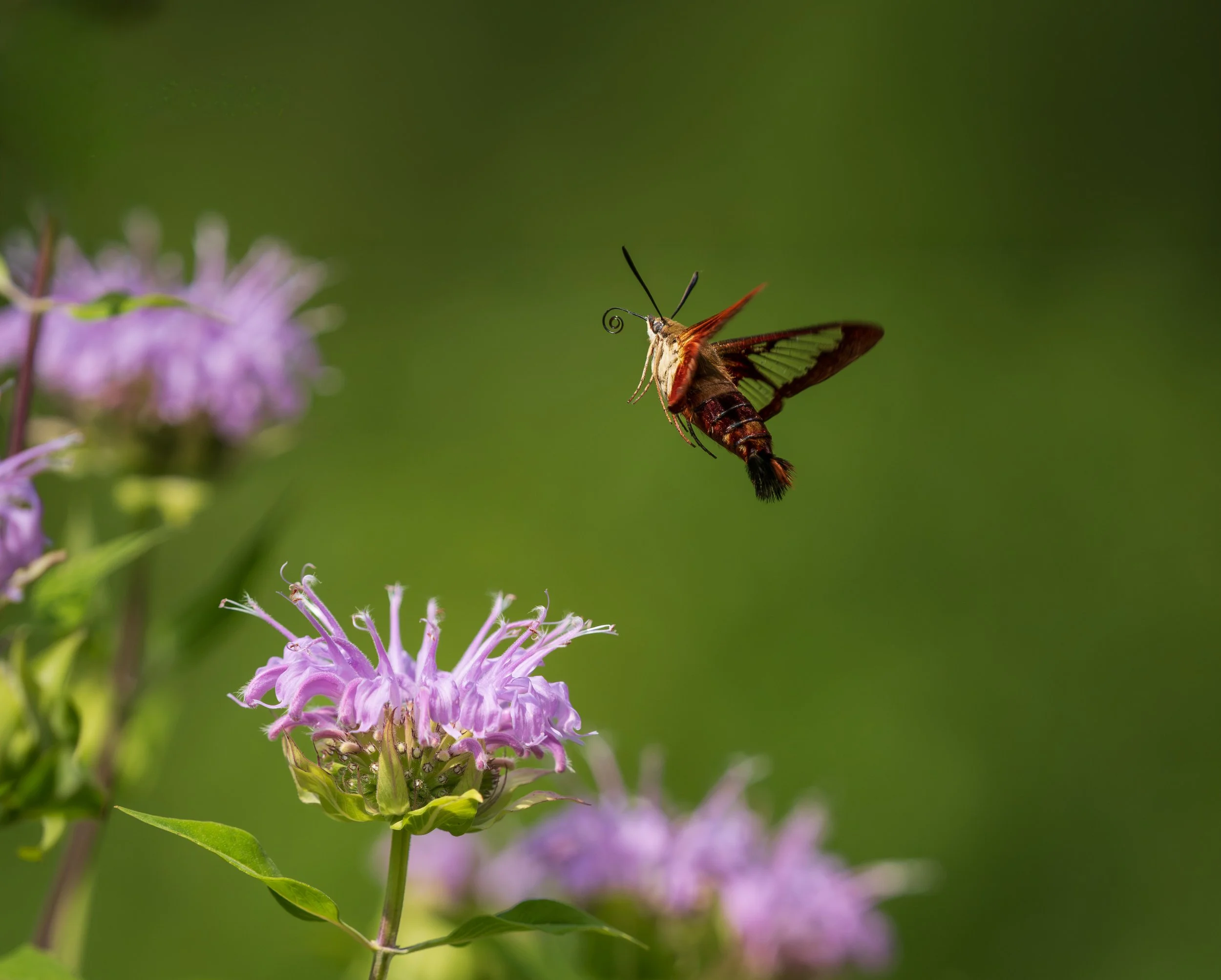
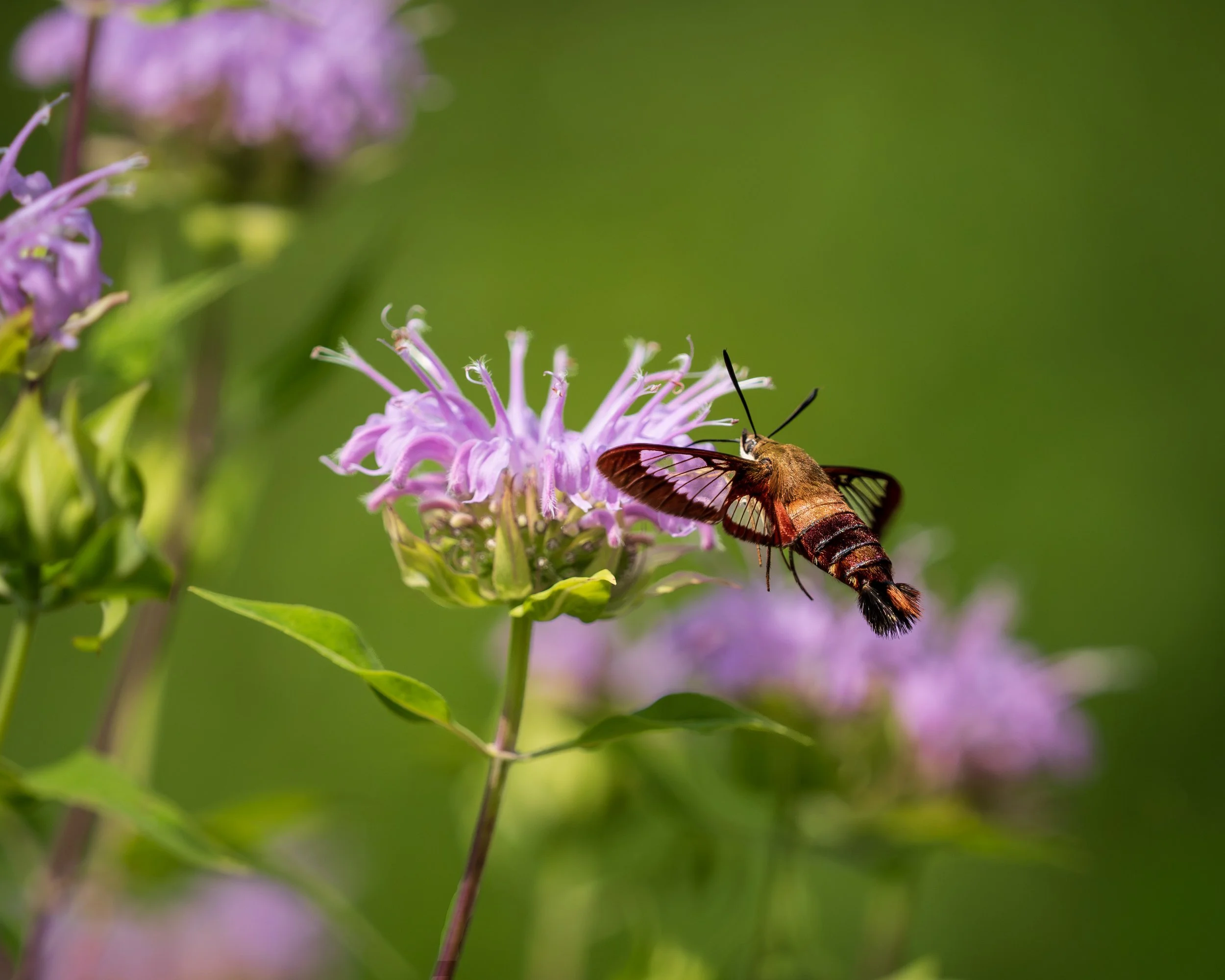
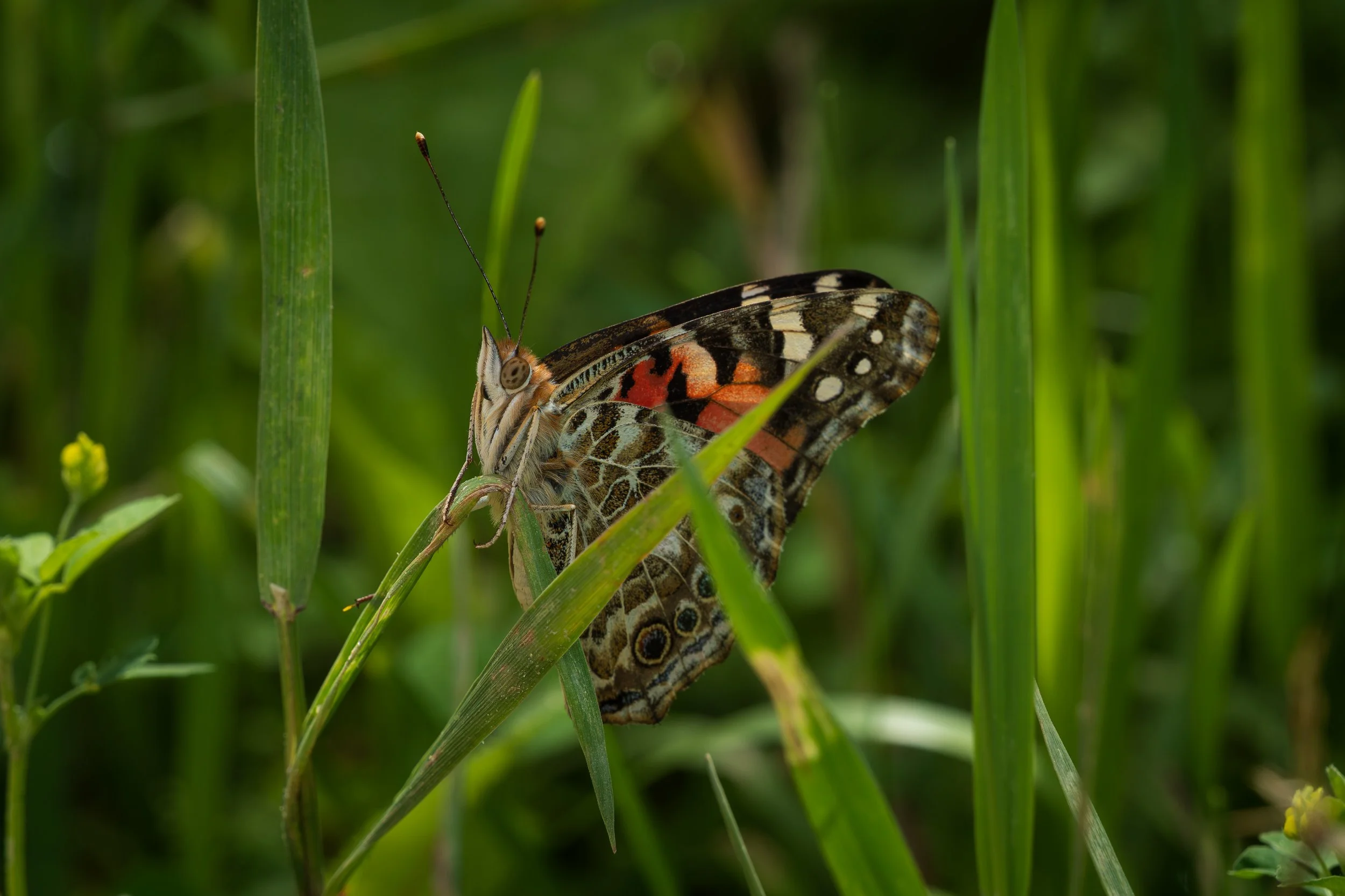
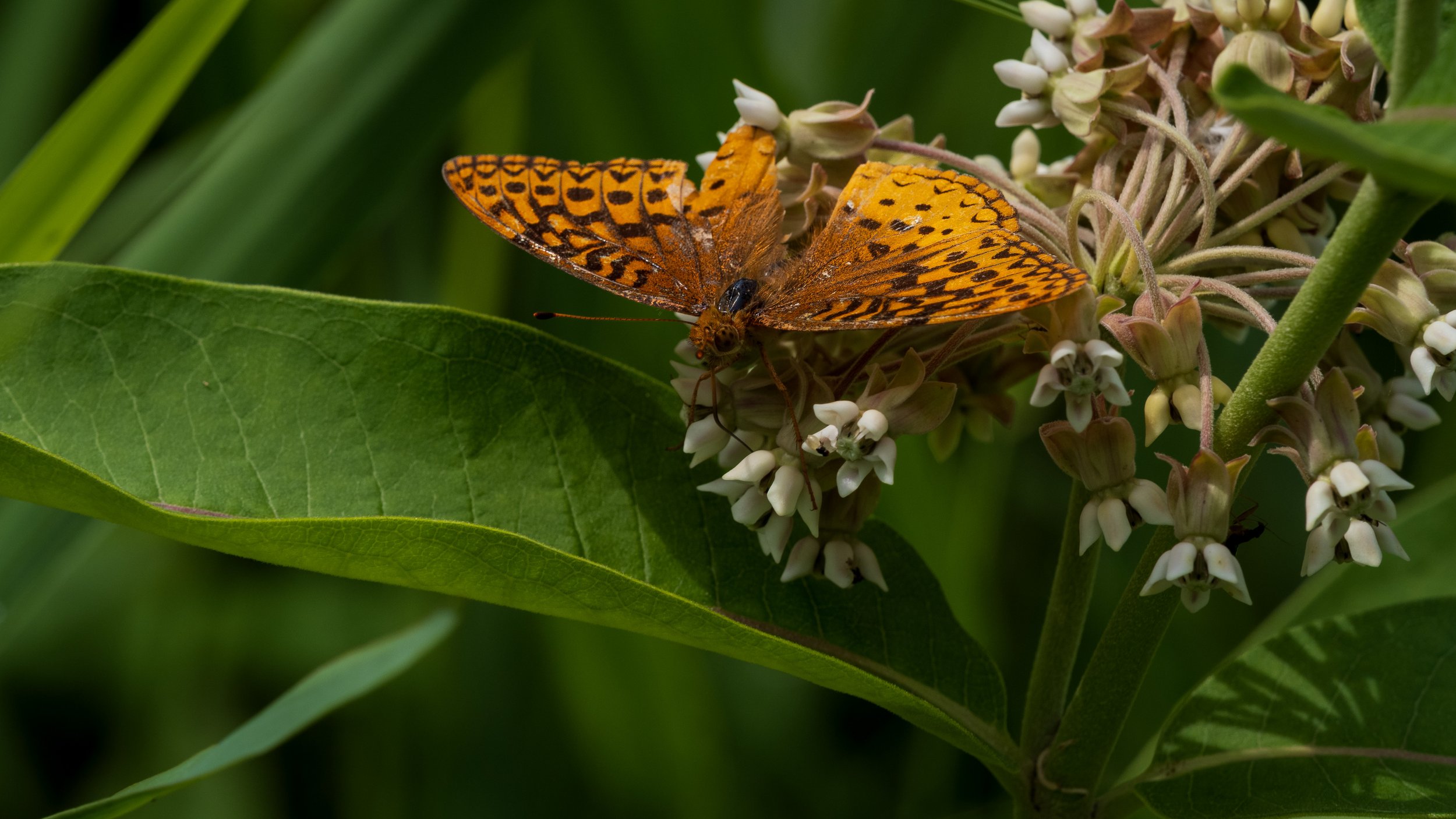
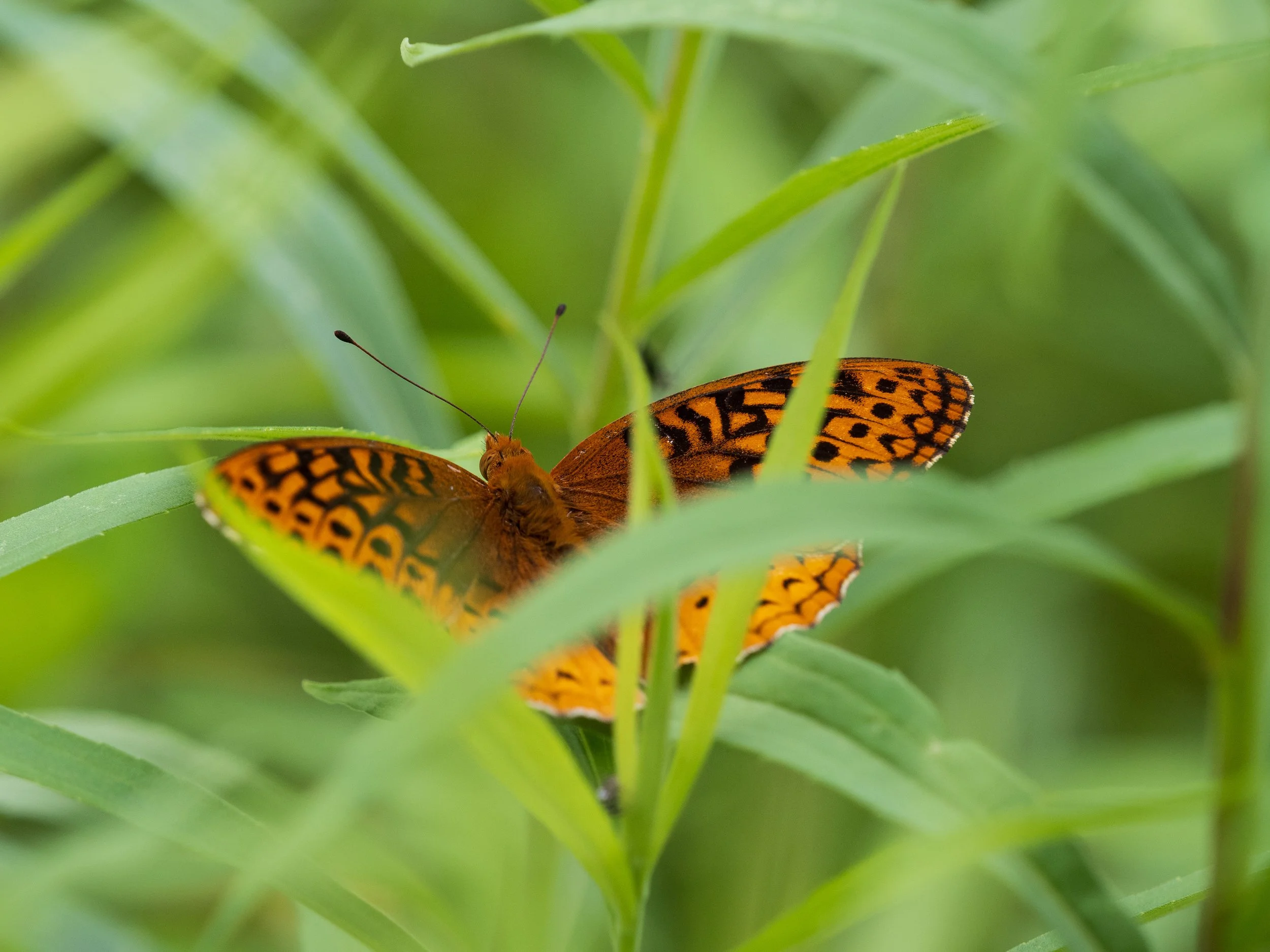
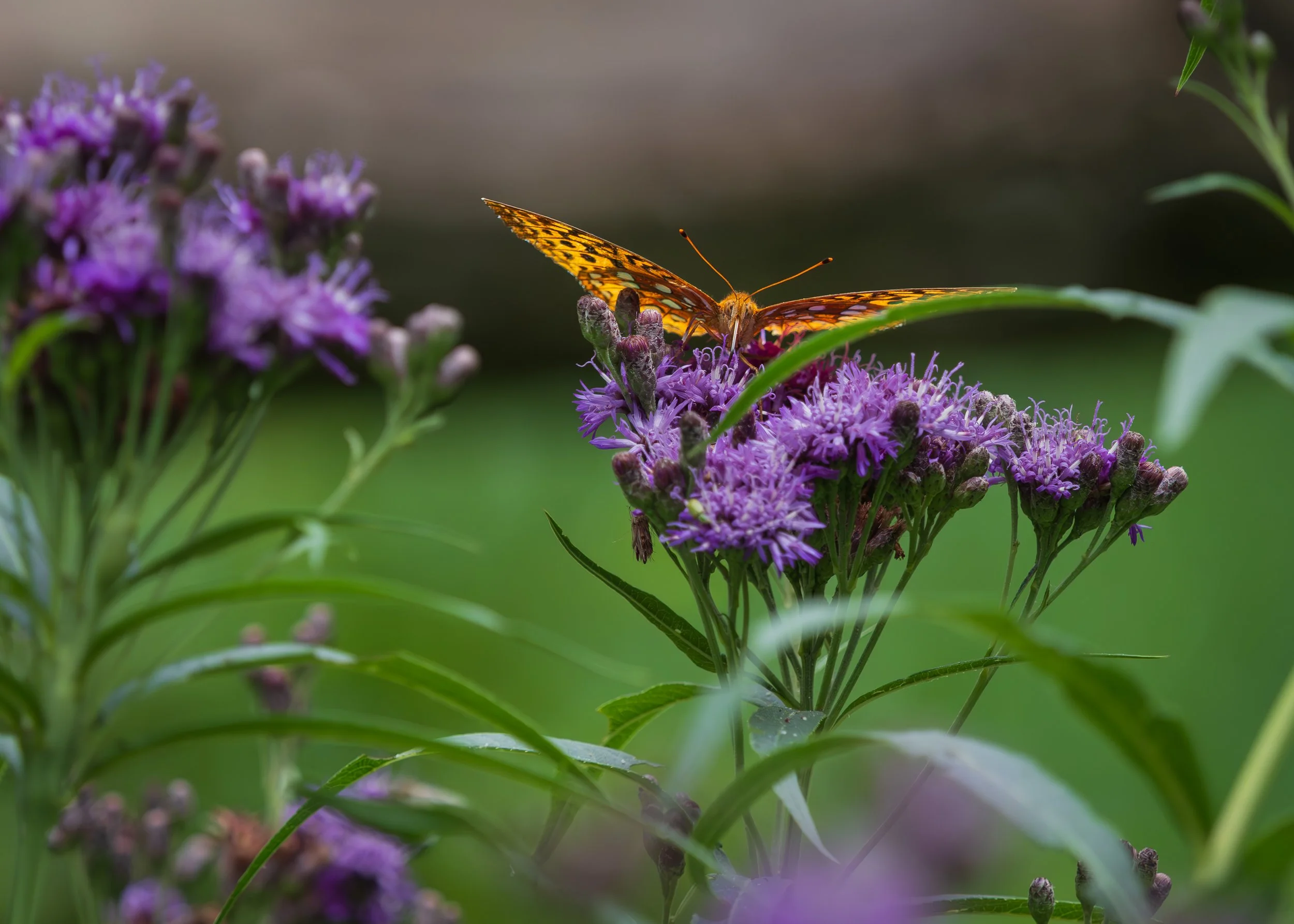
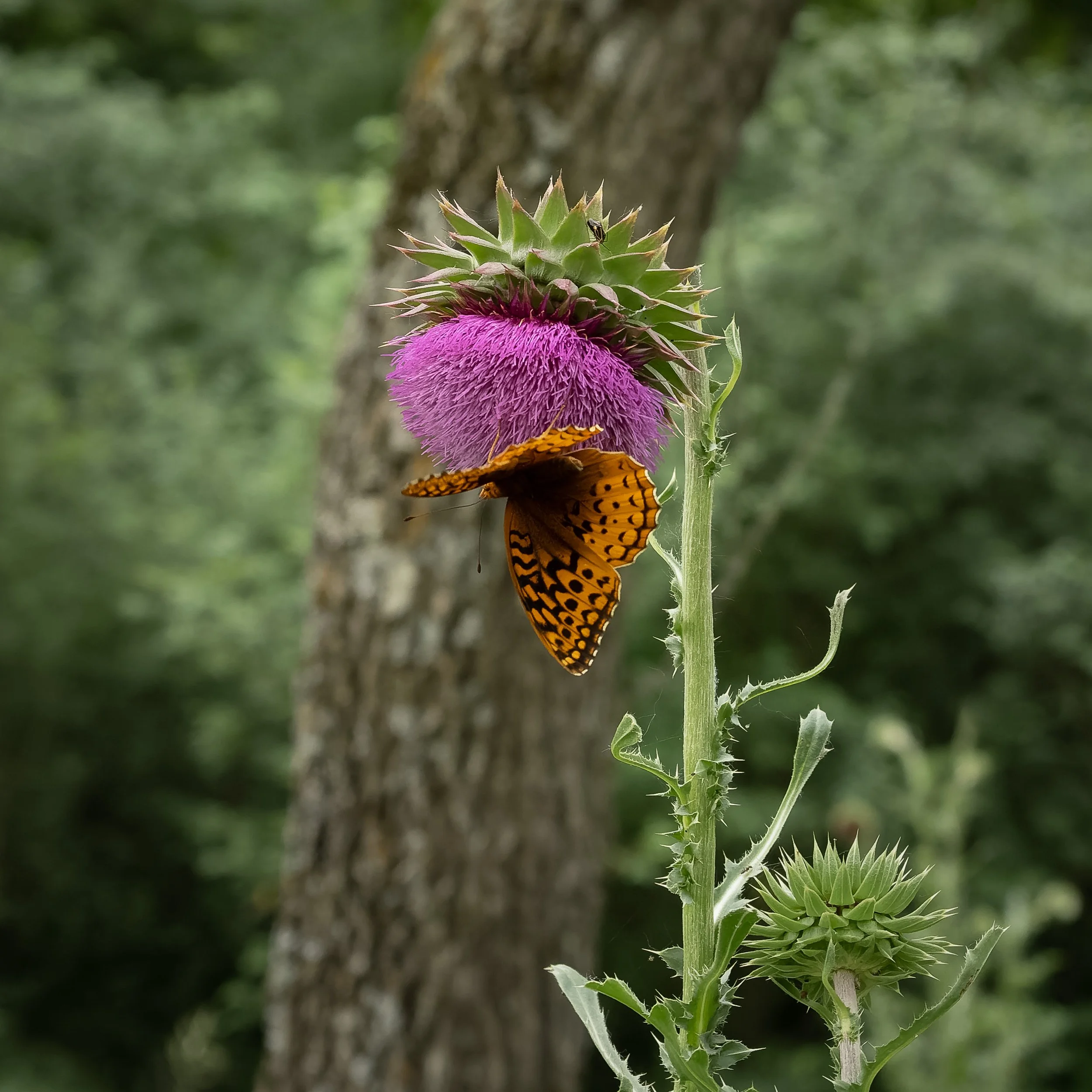
In addition to being a fine spot for wildflowers, the field attracts butterflies and moths. Last Tuesday, I photographed swallowtail butterflies and a hummingbird clearwing moth. Earlier in July, fritillary butterflies and a painted lady were working the wildflowers. Earlier in July, fritillary butterflies and a painted lady butterfly were working the meadow.
The moth is called a hummingbird moth because its behavior is much like that of a hummingbird. In fact, it can be mistaken for a hummingbird. Its size is a giveaway since it’s only half the size of a ruby-throated hummingbird, the only hummingbird species found here. The moth and hummingbirds hover above wildflowers and sip their nectar without alighting.
The swallowtails seemed to dominate the meadow, flapping boldly about feeding on wild bee balm. When I saw them in the field, I thought they were yellow swallowtails. But as I sit here at my desk, I can’t decide which of three types of swallowtails I saw. Seen from above, they look like black swallowtails. Seen from the side, they could be either the eastern tiger swallowtail or the Canadian tiger swallowtail. Even with bird books in hand and images of the swallowtails on my 27-inch monitor, I can’t settle on which of the three species was flitting about the meadow on Tuesday.
If I were forced to choose, I’d choose one of the tiger swallowtails. The black swallowtail has a black thorax and abdomen; the swallowtails I photographed had very light abdomens.
Swallowtails
Hummingbird Clearwing Moth
Fritillaries and a Painted Lady
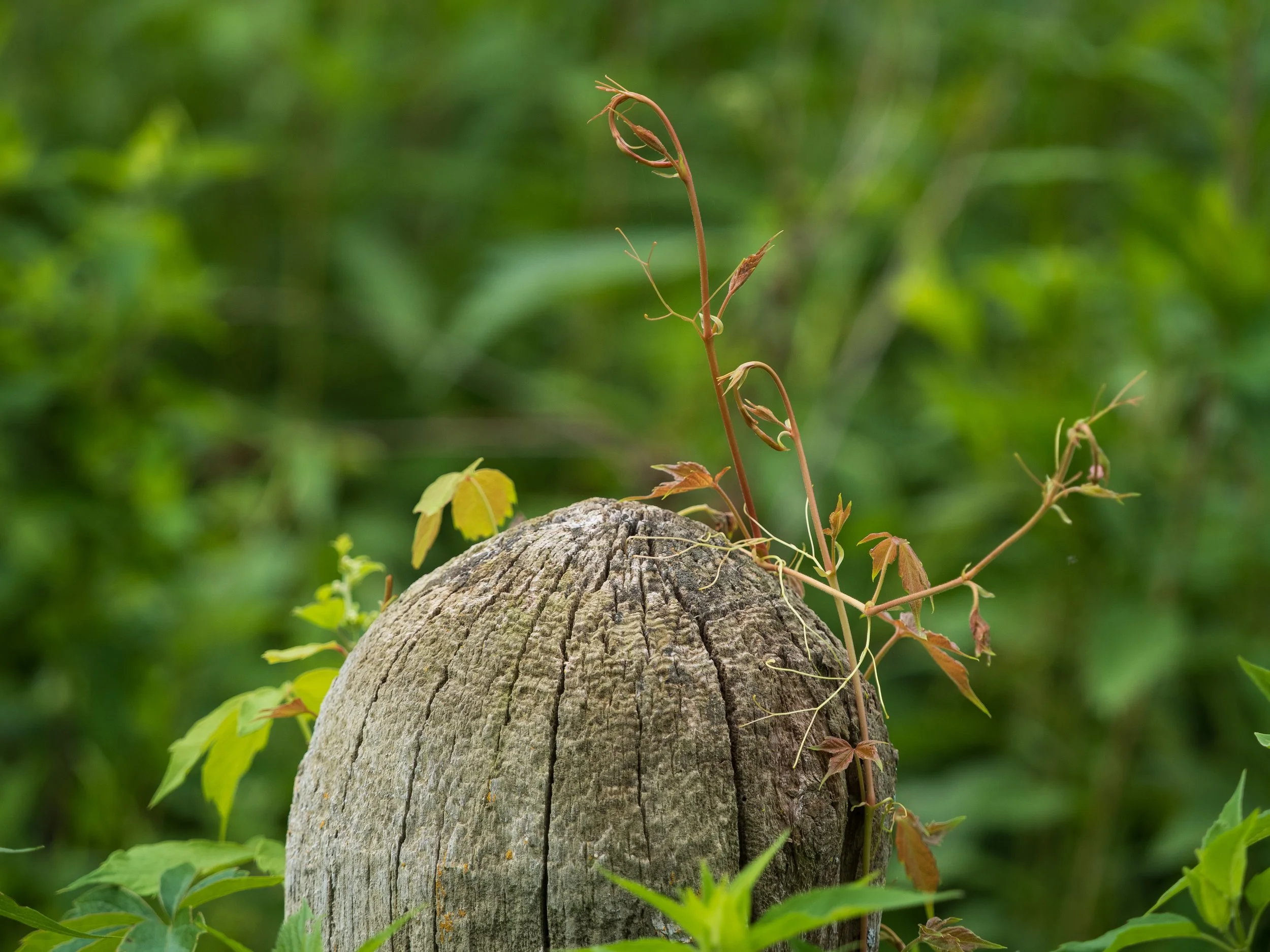
Ancient Fence Posts
“The meaning of life is to find your gift. The purpose of life is to give it away.”
— Pablo Picasso